
Pricing in the photography and videography industry can feel confusing.
In Northern Mindanao alone, rates range widely. You might encounter a friend with a camera offering coverage for a few thousand pesos, a freelancer charging mid-range package rates, and a fully established photography and videography company quoting figures that look like a different category altogether.
For corporate organizations, institutions, and businesses trying to make an informed decision, that range raises a reasonable question: what exactly are you paying for?
In reality, the work happens before and after the camera ever rolls. The hours you see on the day of the shoot are just a small portion of the total time, equipment, and expertise that go into delivering professional results. When the coverage is for a graduation, a corporate event, or any institutional moment that only happens once, the difference between a cheap option and a professional one is rarely just the price.
This post is a straightforward look at what actually goes into a professional quote, particularly when the coverage involves corporation organizations, instiutions, and companies across Cagayan de Oro City, Misamis Oriential, and Northern Mindanao.
Whether you are planning a single coverage or building a long-term partnership with a photography and videography business, knowing what you are paying for helps you make the right decision for your company.
The shoot is the smallest part of the job
When clients see a quote for a two-hour corporate shoot or a half-day graduation coverage, for example, it is easy to divide the rate by the hours on-site and feel like the numbers don’t add up. However, that math only accounts for the most visible portion of the work.
Typically, a single coverage involves a full sequence of work that happens before and after the actual shoot day:
Before the shoot
- Initial consultation with the client
- Understanding the goals of the coverage
- Planning the shot list and program flow
- Preparing and testing various equipment, such as charging batteries, formatting memory cards, and confirming logistics.
- For coverage outside the home base, travel time and preparation add even more hours.
On the day of the shoot
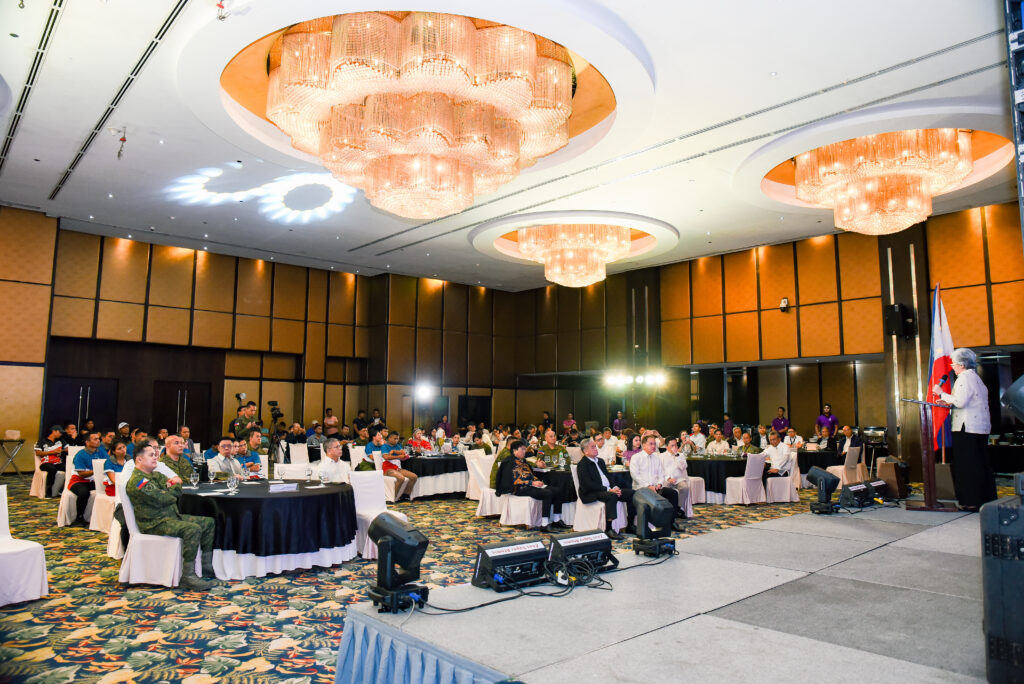
The hours you see are real, but they also include early arrival for setup, navigating the venue, adjusting to the actual lighting and conditions on the ground, working around the program, and capturing every moment without disrupting the event.
For videography services, this also includes monitoring the audio, managing multiple camera angles, and adapting in real-time when the program shifts.
After the shoot
This is where the bulk of the work happens. For a single shoot day, post-production alone can take several days, depending on the scope.
- Files are backed up across multiple drives.
- Photos are gathered, selected, edited, color graded, and exported in the proper formats.
- Video footage is reviewed, trimmed, sequenced, color-graded, sound mixed, and rendered.
- Deliverables are uploaded in a cloud storage for client access.
- Revisions are accommodated when requested.
Because of this, a two-hour coverage is rarely a two-hour job. It comprises working days when you account for the entire process. The professional rate reflects not only the time on-site, but also the full scope of work.
The gears behind every frame
Professional photography and videography depend on professional equipment.
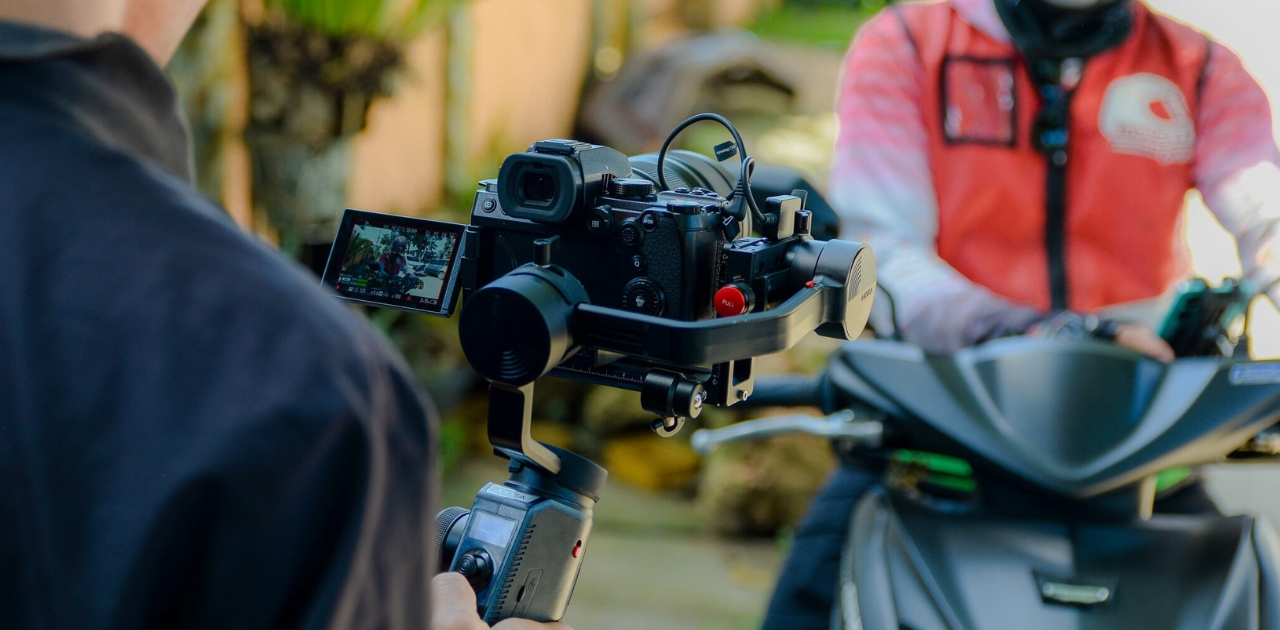
The gears involved go beyond what most clients picture. It is not just one camera and a lens. It is an entire kit built for reliability, versatility, and quality.
1. Cameras and Lenses
Professionals always work with more than one camera body, both for flexibility during the shoot and as a backup.
As for the lenses, different lenses serve different purposes:
- Wide-Angle lenses for venues and group shots
- Telephoto lenses for capturing moments from a distance without disrupting the program
- Fast prime lenses for low-light conditions
- Other specialty lenses when the project calls for it.
2. Lighting
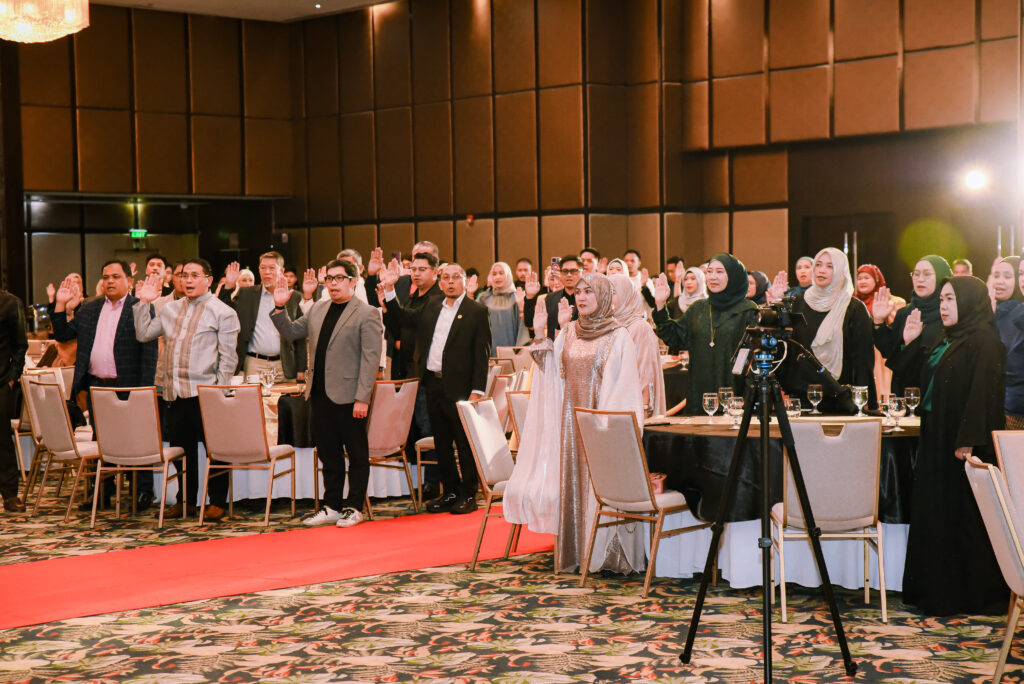
Indoor venues, outdoor venues, gymnasiums, function halls, and auditoriums across Cagayan de Oro City, Misamis Oriental, Northern Mindanao often have inconsistent or insufficient lighting.
Professional lighting equipment, such as on-camera flashes and off-camera strobes, ensures that the coverage looks clean regardless of the venue’s conditions.
3. Audio
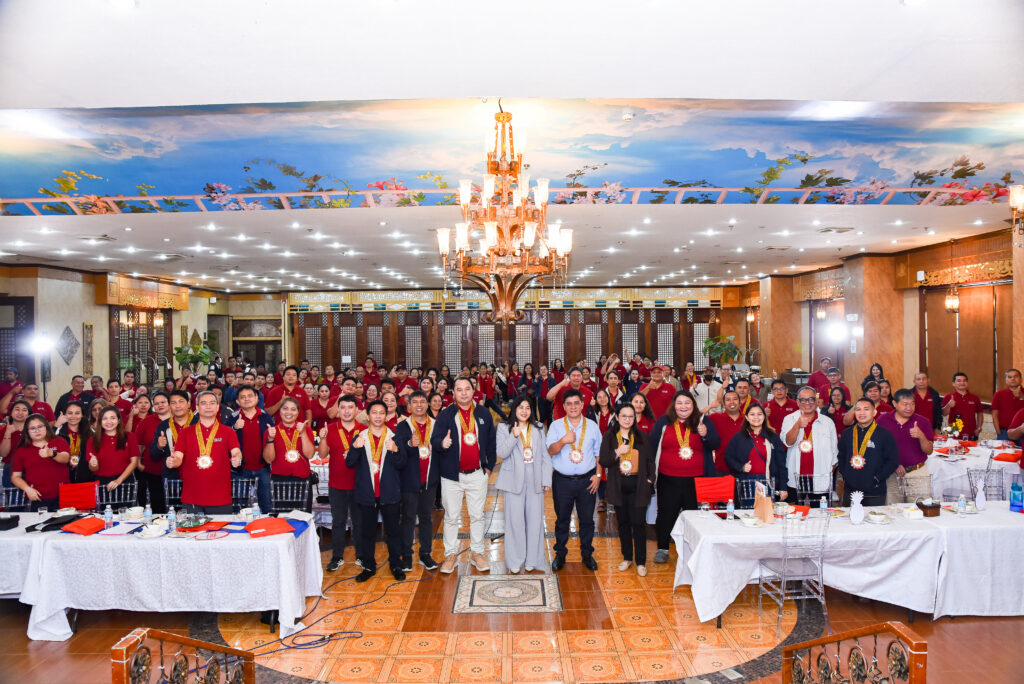
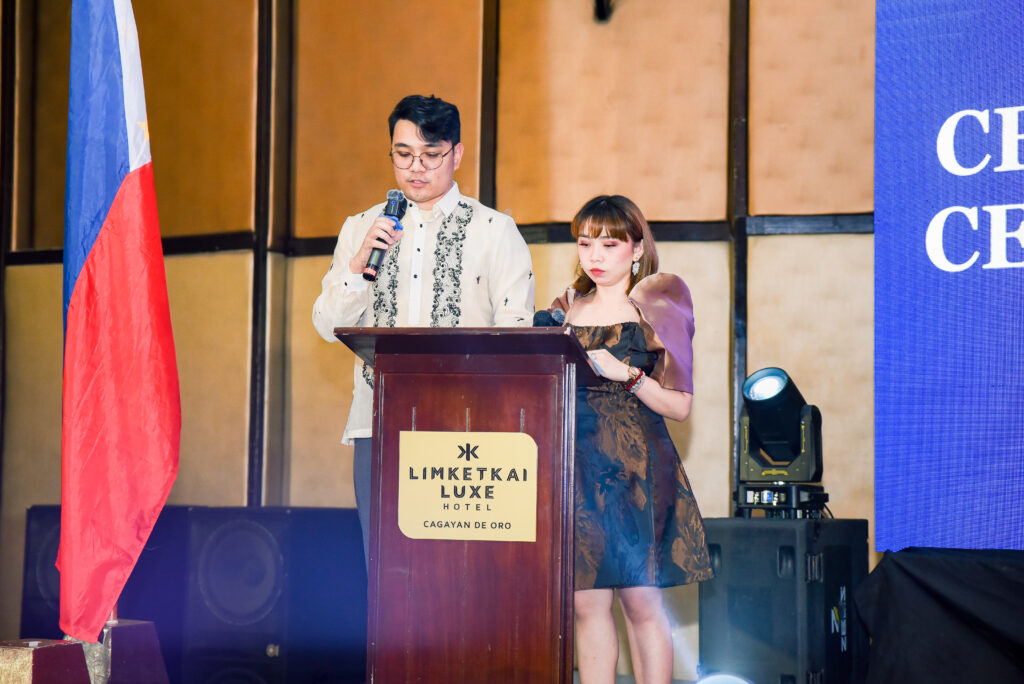
Quality video is half visual, half audio. Capturing usable sound during a corporate keynote, a graduation speech, or any spoken-word moment requires shotgun and wireless microphones. Relying on the camera’s built-in microphone for any serious coverage is not an option.
4. Stabilization and support
Tripods, monopods, gimbals, and stabilizers keep footage steady and shots sharp. For events with movement and unpredictable conditions, these are essential, not optional.
5. Storage and back-up
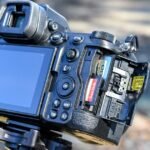
Memory cards, multiple hard drives, and cloud storage are part of every professional workflow. Files are backed up immediately after the shoot, usually in more than one location, because losing footage from a one-off event is not something any organization should have to deal with.
The point here is not to list out every piece of gear, but to emphasize that every quote includes the cost of acquiring, maintaining, and eventually replacing the equipment. Professional gear is an ongoing investment. This is the difference between coverage that looks so-so and coverage that meets institutional standards.
The software and systems behind the scenes
The work that happens after the shoot relies on various tools that most clients never see, but every professional pays for. These are not one-time purchases, but are ongoing monthly and yearly subscriptions that are built into every project rate.
Editing software
Adobe Creative Cloud, which includes Photoshop, Lightroom, Premiere Pro, and After Effects, is the backbone of both our photo and video workflow. It is a recurring monthly subscription that covers the full suite of tools needed to deliver professional results from start to finish.
Storage and delivery
Professional coverage produces a large volume of raw files. A single corporate event can generate hundreds of gigabytes of footage and images.
With this, multiple hard drives, both for active editing and long-term archive, are part of the workflow. Cloud storage and client delivery platforms allow clients to download their files securely and access them whenever needed.
Hardware that can handle these
Editing high-resolution photos and videos requires a computer built for the workload. That’s why a capable workstation and a high-specification computer are essential. These are significant investments that need to be upgraded every few years to keep up with file sizes and software demands.
Back-up and file management
Every responsible professional maintains a system for backing up client work. This typically involves multiple physical drives and a cloud backup to ensure that files remain safe long after delivery. Clients sometimes request a copy of an old project months or years later. Hence, a professional should be able to retrieve it.
Ongoing learning and tools
Tutorials, online courses, presets, and creative resources also add up. Staying current with industry standards is an ongoing cost which ensures that our work continues to meet professional benchmarks.
These systems exist to ensure that the work delivered is consistent, secure, and high quality. They are invisible to the client, but they are part of what a professional photographer and videographer’s rate accounts for.
The years of experience are compressed in every shot
This is the part of the job clients most often underestimate because it does not show up on a quotation.
A professional photographer and videographer’s experience shapes every photo and every frame of video that gets delivered.
A professional walks into a venue and quickly reads the lighting, the layout, and the flow of the program. They know how to handle unpredictable conditions. They know how to direct a group for a formal shot, capture candid moments without intruding, and position themselves for a keynote without disrupting the audience.
Out of thousands of frames captured, experience is what trains the eye to recognize the ones worth delivering. It is the difference between reacting to a moment and anticipating it. For one-off events, that instinct is what separates so-so coverage from a kind of coverage your organization can actually be proud of.
The business behind the business
Hiring a professional photographer and videographer means hiring a registered operating business, not just a person with a camera. There is a layer of overhead that every legitimate provider carries that is built into every quote.
1. Taxes and business registration
GSD Films and Stills is a DTI and BIR-registered company with proper business registration. This means we operate under legal compliance, file the necessary taxes, and can issue official receipts for every coverage. For corporate organizations, institutions, and companies that require formal documentation and accountability, working with a registered business is a necessary requirement.
2. Transportation and logistics
Coverage across Cagayan de Oro City, Misamis Oriental, and the entire Northern Mindanao requires travel between cities and provinces. Fuel, vehicle, accommodations for out-of-town shoots, and the time spent in transit are costs that go into every project.
3. Marketing
A reputable website, an active portfolio, and a social media presence to stay visible to potential clients all factor in. None of these are free and are necessary to run a business that organizations can find and trust.
Why it matters for corporate organizations and institutions
Every coverage represents an institution and the output reflects on its standards and reputation.
1. The event only happens once
A graduation ceremony, a corporate anniversary, a ribbon-cutting, a recognition program, or an executive keynote cannot be redone. There is no second chance.
If a key moment is missed, if the audio fails during the principal’s speech, or if the files are lost because of a careless workflow, the damage is permanent. A professional rate covers the systems and the experience to ensure sure this does not happen.
2. The output represents the institution
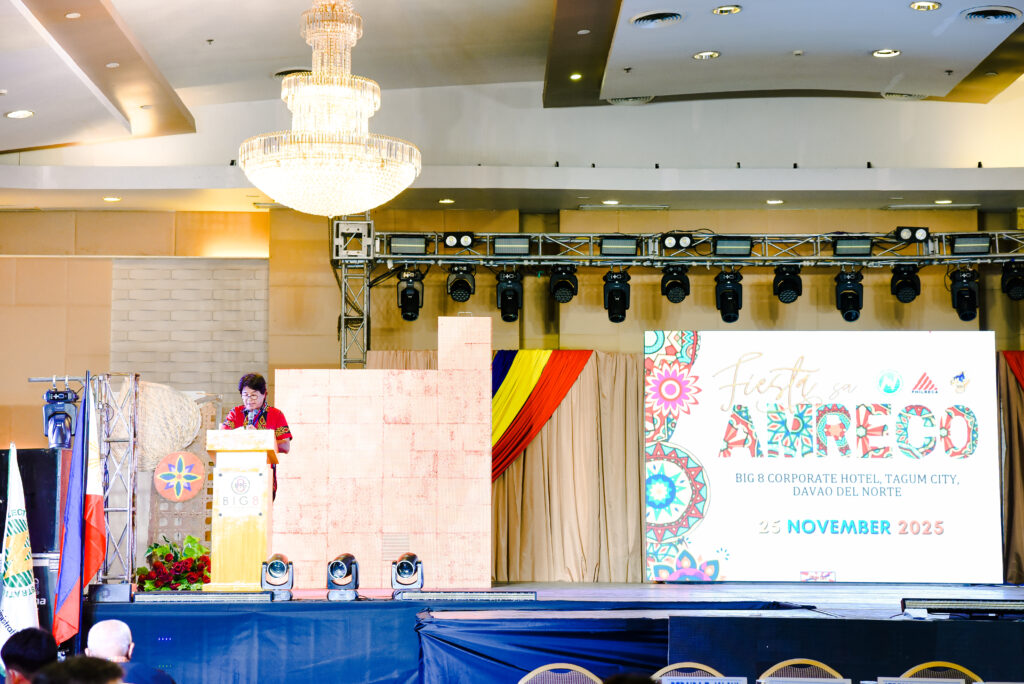
Photos and videos from a school’s graduation become part of how families remember that milestone for the rest of their lives.
Coverage from a corporate event becomes part of the company’s marketing, internal communications, and brand presence.
The quality of that output reflects directly on the organization that hosted the event. Cheap coverage signals below the par standards, even when that is not the institution’s intent.
3. Trust and accountability matter
A registered photography and videography business with a track record offers the accountability that informal arrangements cannot. Contracts, official receipts, clear deliverables, and consistent communication are part of what professional engagement looks like.
The real cost of going cheap rarely shows up on the original invoice. It shows up later, in missed moments, unusable footage, and outputs that fall below the institution’s standard. For events that matter, hiring a professional photographer and videographer is the responsible choice.
Choosing the right partner
Professional photography and videography are not only services, but also investments in how your organization and institution remembers itself and presents itself to the public.
Every graduation, every corporate event, every program, every branch opening, and every institutional moment becomes part of a larger story. That’s why the quality of that story depends on the people you trust to capture it.
When you understand what goes into a professional rate, the price stops looking like a number and starts looking like what it actually is: the time, the gear, the systems, the experience, the business operations, and the high-quality coverage possible. It is what allows a professional to deliver the same standard that your institution, your company, or your organization upholds to.
If you are planning an upcoming coverage in Cagayan de Oro City, Misamis Oriential, and Northern Mindanao, GSD Films and Stills is here to help. We are a DTI and BIR-registered business serving institutions and corporate organizations across the region. We would be glad to discuss your needs.
Click the button below to get in touch. Let us talk about how we can help you.







Leave a Reply