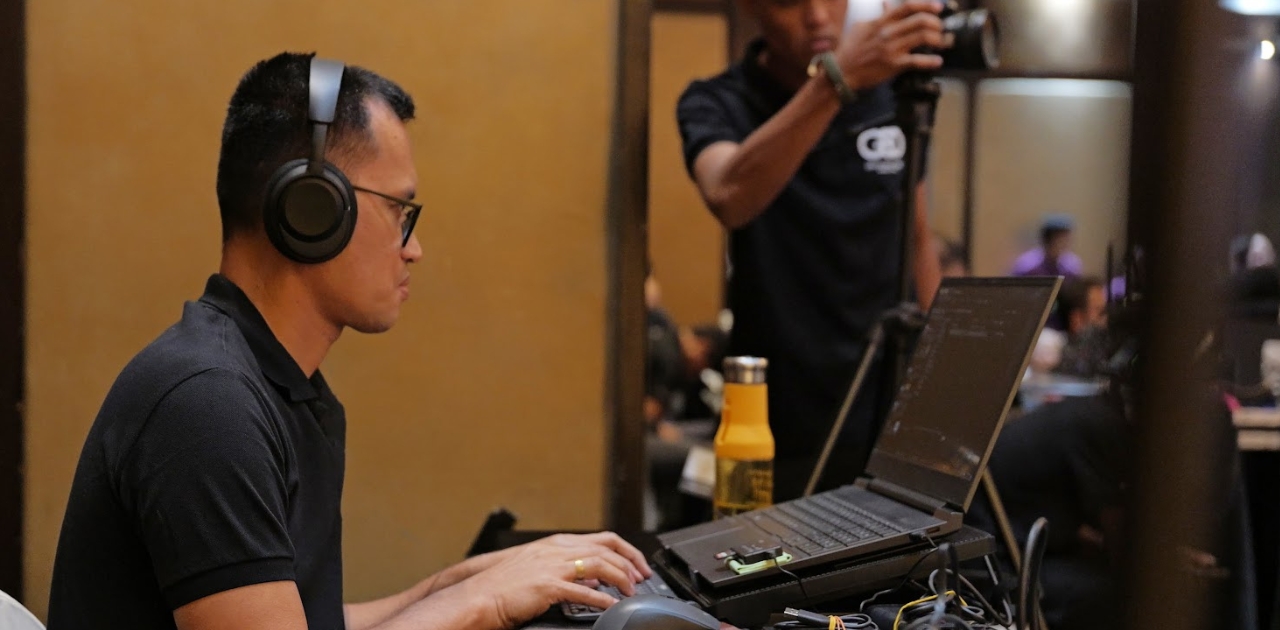
A same-day edit needs a different set of crew because the editing happens while the event is still running, not after it ends. That single shift changes who needs to be on site, what each person is responsible for, and how the whole team moves through the day. Standard coverage and same-day edits look similar on paper, but they are 2 different operations in practice.
What a same-day edit actually is
A same-day edit is a short video that gets shot and edited within the same day as the event unfolds itself. It’s shown to guests on a projector or LED wall display before they leave.
For corporate clients, the appeal is timing. A keynote, a product launch, or a company milestone has the most attention right when it happens. Industry data points to a 24 to 72 hour window as the point where event buzz starts to fade, which is exactly why same-day and next-day delivery have become something companies specifically ask for and not just a nice extra.
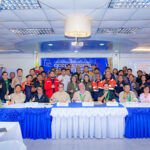
Here’s an example of one we delivered for the National Amnesty Commission’s Balik Karapatan: Rights Restoration Program:
How a Standard Coverage Crew Is Built
Most corporate event coverage runs on a small team. One or two videographers, a photographer, and sometimes a second shooter if the event is large enough to need more angles. Most corporate events get by with one to two videographers, with a third added only for bigger conferences or multi-room programs where several things happen at once.
In this case, the edit is part of the post-production phase that starts once the event is already over. The crew shoots the event, hands off the footage, and goes home. A standard highlight reel takes three to five working days to turn around, with time built in for reviewing footage, cutting a rough version, finishing the color and audio, and getting client feedback before the final version goes out.
This works well for most coverage. The editor has time to be selective and the crew on-site can focus entirely on capturing the event instead of feeding footage to the video editor.
What Changes When the Edit Happens During the Event
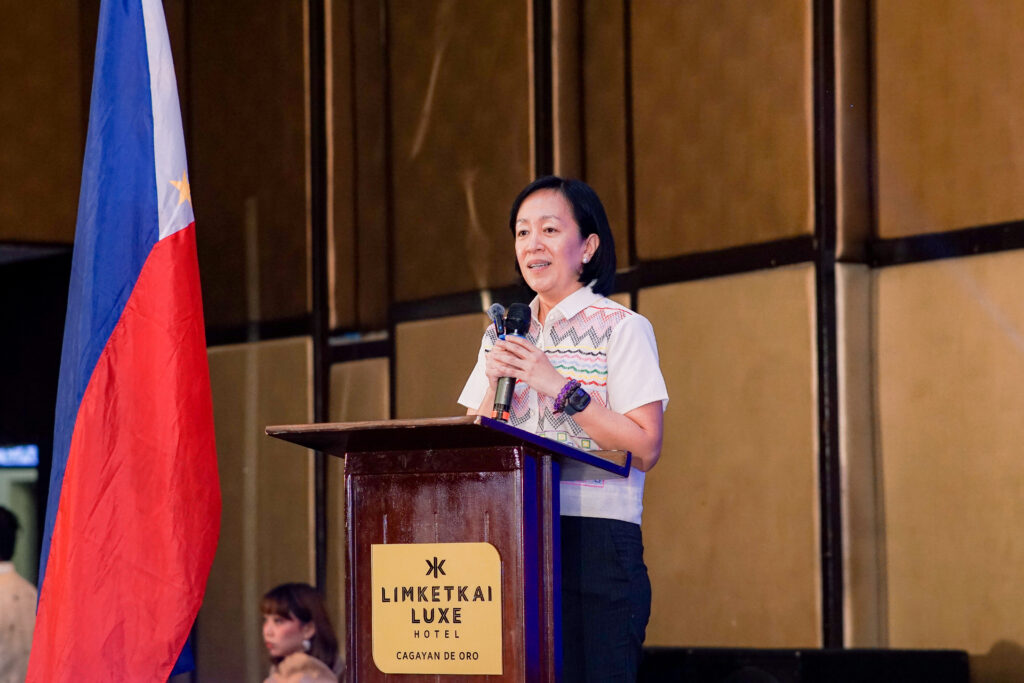
In standard coverage, shooting and editing are two separate jobs that happen one after the other. In a same-day edit, they happen at the same time. The footage is being reviewed, sorted, and cut while the event is still going on.
This parallel approach is how same-day and next-day video gets made. Instead of waiting until the event wraps up, editing starts as soon as footage is available. When there’s a reduced activity, like during a break between sessions, the editor is already reviewing and assembling what’s been shot so far.
This isn’t something a crew can decide to do on the fly. Same-day cuts get planned into the shoot day from the start, not added as an afterthought once the event is underway.
That single change, editing alongside the event instead of after it, is what differentiates with this type of coverage. The production team needs more people and the people already there need to work differently than they would on a standard shoot.
The Videographers Split Into Specific Jobs
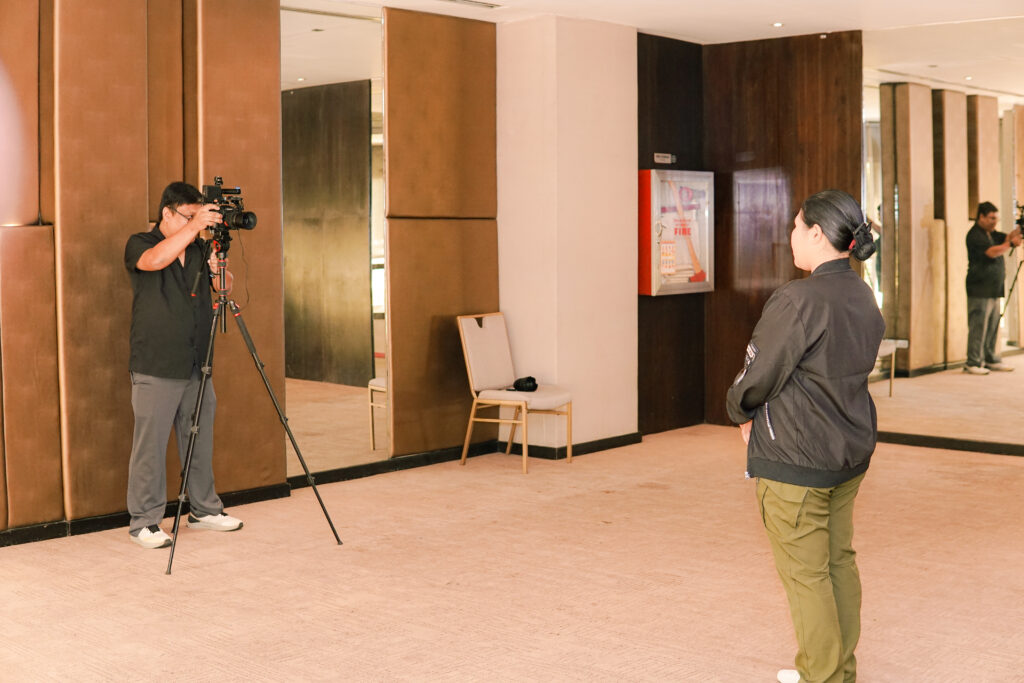
On a standard shoot, videographers often share the same general job. Everyone covers what’s in front of them and the footage gets sorted out later. A same-day edit doesn’t leave room for that kind of overlap, so the roles split early.
1. Steady videographers
Steady videographers stay locked on the stage. Their job is to capture keynotes and speeches cleanly, without movement that would be distracting in a tight turnaround edit. Dedicated operators per position keep this discipline intact since the person filming the keynote doesn’t leave to grab a shot of the audience.
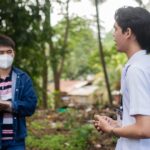
Other same steady operators also run the guest interviews. Interviews need the same calm, controlled approach as a stage shot, and they come with one more requirement that stage footage doesn’t have to deal with as carefully: audio. Interviews are often the backbone of corporate video and a camera’s built-in mic is never enough to capture them properly. A lavalier mic clipped close to the guest gets a clean sound, and running a shotgun mic as backup means a dropout in the wireless signal doesn’t cost the whole take. It takes someone whose only job that hour is making sure the interview sounds as good as it looks.
2. Dynamic videographers
Dynamic operators do the opposite. They move through the room, catching the energy that a locked-off camera can’t, audience reactions, networking moments, and the general atmosphere of the event. This footage is what gives the final cut its pace and makes it feel alive rather than just documented.
Splitting these roles matters more in a same-day edit than it does in standard coverage. The editor is cutting in real time and needs both kinds of footage ready without having to wait on one shooter to cover both jobs at once.
3. Drone operator
Drone operators work on their own separate track entirely. Their footage covers wide establishing shots of the venue, the scale of the crowd, or an aerial view of a motorcade. On a same-day edit, this shot usually needs to come in early, since it often opens the video or sets the scene before anything else plays. That means the drone operator’s flight window gets planned around the editor’s timeline.
The Person Who Keeps Footage Moving and Safe
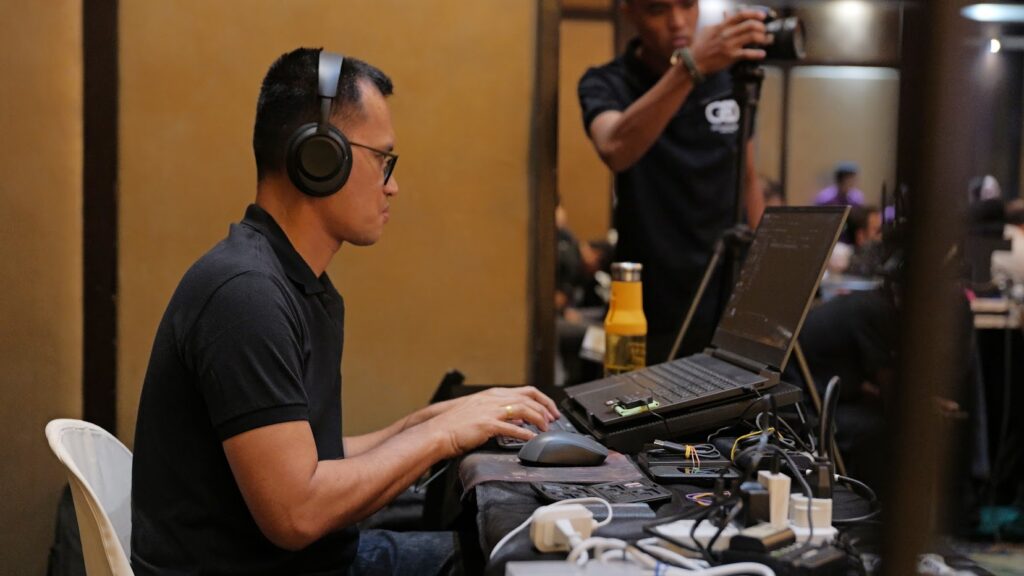
Standard coverage doesn’t need this role at all. A same-day edit can’t function without it.
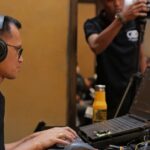
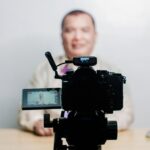
The same-day video editor is responsible for getting footage off cameras and into its hands while the event is still running. A same-day edit needs a dedicated on-site edit station that’s built into the brief from the start so the whole crew knows the workflow they’re shooting for.
Getting footage there safely is the editor’s own job. This person keeps things organized as footage comes in. Memory cards get pulled on a schedule throughout the day, not just once at the end. Before any of that footage reaches the editor, it gets backed up. Skipping this step on a normal shoot is a bad habit. Skipping it on a same-day edit, where there’s no time to reshoot anything that gets lost, is a real risk to the whole deliverable.
What This Means If You’re Booking One
If a same-day edit is part of what you need, say so early. The workflow gets built around that requirement from the brief stage, not added in at the last minute, and rush delivery usually carries a premium for good reason.
That premium reflects real cost. A same-day edit means more people on site, a dedicated edit station, and a crew working a tighter, more disciplined process than standard coverage requires. You’re not just paying for a faster turnaround. You’re paying for the extra hands and the extra planning that make that turnaround possible without sacrificing quality.
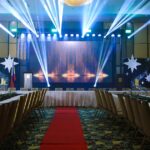
Here’s a look at one we delivered the same day for AMRECO’s (Association of Mindanao Rural Electric Cooperatives, Inc.) 2024 General Membership Assembly:
Frequently Asked Questions
How many people does a same-day edit crew need?
It depends on the size of the event, but a typical setup includes steady and dynamic videographers, one or two photographers, and an on-site editor with someone handling data backup and handoffs.
Can a same-day edit be added at the last minute?
No. It works much better when it’s planned into the brief from the start. The crew, the edit station, and the workflow all need to be set up in advance to hit a same-day deadline reliably. Coordinate with your videographer early on whether you’re opting for standard coverage or a same-day edit.
How fast can the final video actually be delivered?
Most same-day edits are ready before the event ends or within a few hours after, depending on the length and complexity of the cut.
Does the faster turnaround mean lower quality?
Not if the crew is structured for it. The speed comes from having more people in the right roles and a workflow built around the deadline, not from cutting corners on the footage itself.
Let GSD Films & Stills capture your event with a same-day edit

Your event only happens once, and so does the moment when everyone in the room is still talking about it. That’s the window a same-day edit is built for.
At GSD Films & Stills, we cover corporate events, product launches, and company milestones in Cagayan de Oro City, Misamis Oriental, its neighboring areas, and across the Philippines, with our production team built for the turnaround you need. We bring the right crew for the job, so your same-day edit video is ready before your guests go home.
We are a DTI and BIR-registered business serving businesses and corporate organizations across the region.
Click the button below to get in touch. Let us talk about how we can help you.







Leave a Reply