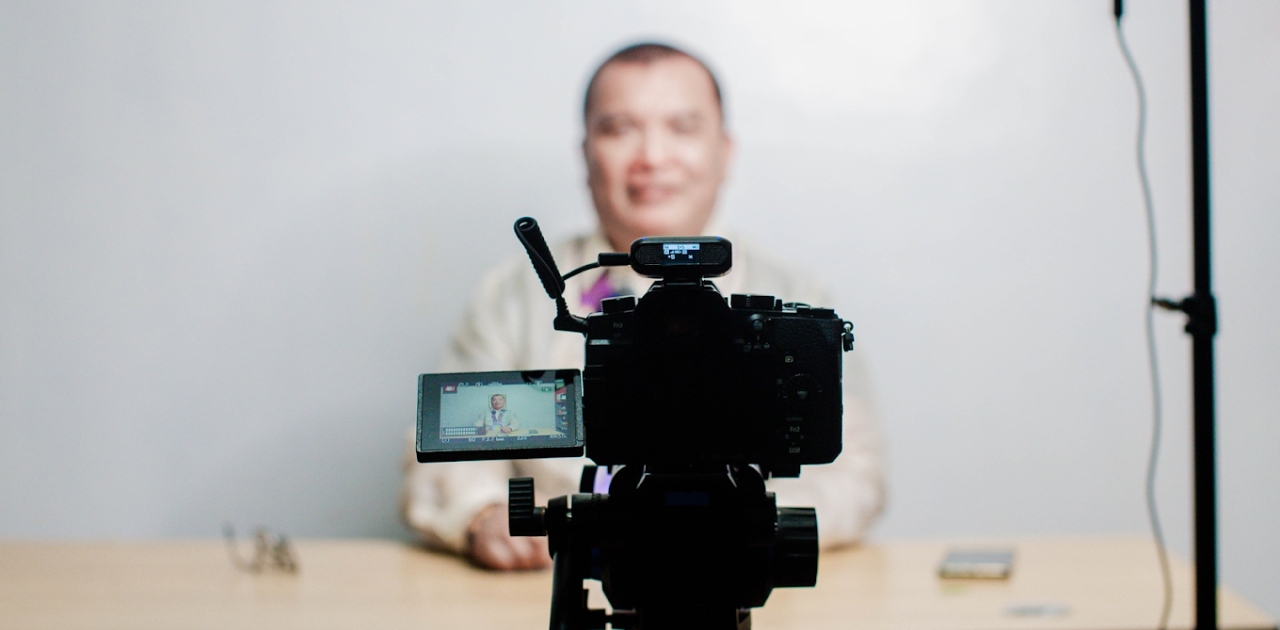
A potential customer scrolls through your social media pages. They watch your reel, read your caption, and tap on your profile. They are interested, but they pause before sending a message.
The same thing happens on your website. They browse your services and hover over the contact button without clicking. What pushes them to take the next step is rarely another product feature or another line on your services page. It is hearing from someone who trusted you and walked away happy.
That is what a business testimonial video does. It puts a real face, voice, and story behind your brand at the moment a buyer or a job candidate is deciding whether you are worth their time. It works on your website, Facebook, Instagram, TikTok, and anywhere else your business shows up online.
If you are thinking about getting one made for your business, this guide will walk you through why testimonial videos matter, the types you can produce, what makes a great one, and what to expect when you bring in a professional videography team to do the work.
Why businesses need testimonial videos
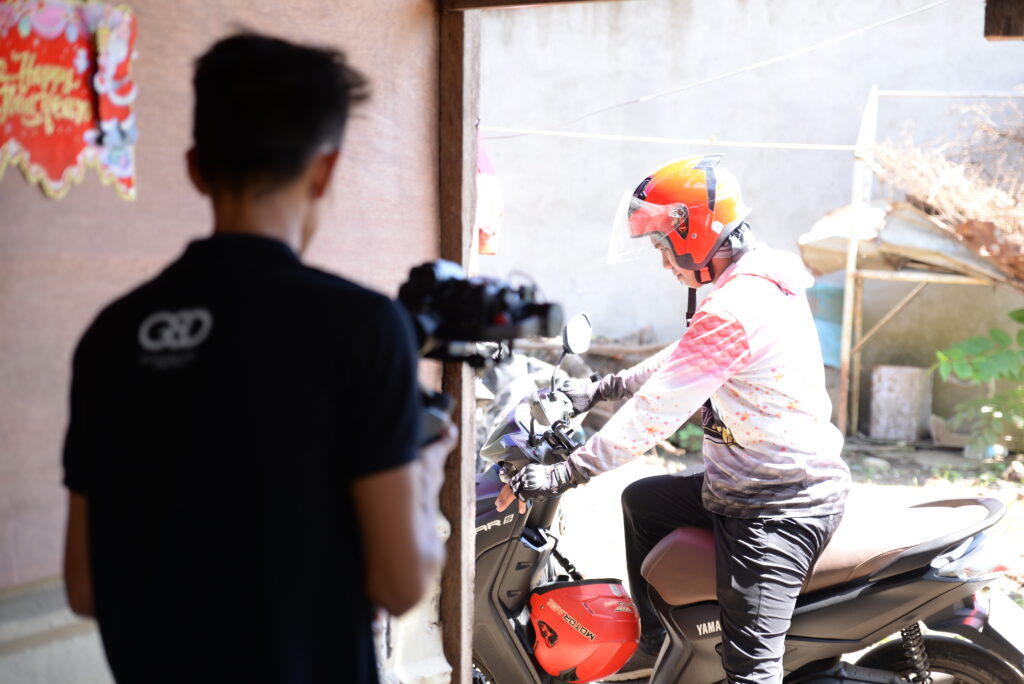
People have become careful about polished marketing messages online. They know when a brand is selling to them and they have learned to scroll past it. What they still trust is another person.
In a survey, 88% said they trust recommendations from people they know more than any other channel. Likewise, in another report, word of mouth is the primary factor behind 20 to 50% of all purchasing decisions. People trust other people more than they trust brands.
The same pattern shows up online. Another survey found that 97% of consumers check online reviews before purchasing and 88% trust them as much as personal recommendations. A stranger sharing an honest experience now carries almost the same weight as a friend giving advice.
Video testimonials bring both of these trust patterns together. They remove the salesy feel of a marketing copy without losing the professional look. Viewers can see body language, hear tone, and read facial expressions, which makes it much easier for them to tell if the person on screen is being real. A line of text on a website or social media page asks the reader to take your word for it. A short video shows them the proof.
For a business in the Philippines or anywhere else, this matters in two ways.
If you are trying to win more customers, a testimonial video shortens the path from interest to a buying decision.
If you are trying to hire better people, it gives job candidates a real look at your workplace or company culture before they even apply.
The Two Types of Business Testimonial Videos
Most business testimonial videos fall into one of two groups. Each one speaks to a different audience and serves a different goal, so it helps to know which one you actually need before you start planning.
1. Customer Testimonial Videos
A customer testimonial video features a real client sharing their experience with your product or service. The most effective ones follow a clear story flow. The customer talks about the problem they had before working with you, explains why they chose your business over the other options, and shows what changed after they made the switch.
This format works because it matches how customers think when they are deciding what to purchase or service to avail. A prospect watching your video sees their own situation reflected on the screen, which makes it much easier for them to picture the same result for themselves.
Customer testimonials are the right choice when your goal is to grow sales, build trust with new prospects, or position your business as the clear answer to a specific problem.
2. Employee Testimonial Videos
An employee testimonial video features one or more of your team members talking about what it is like to work at your company. Instead of pitching the brand to customers, this format speaks directly to job seekers who are trying to figure out if your company is a place where they could grow.
Strong employee testimonials show the real day in a life and not the highlight reel. They focus on one clear theme per video, whether that is career growth, team relationships, work-life balance, or the kind of projects employees get to lead. They feature real people in real settings, not actors reading scripts.
Employee testimonials are the right choice when your goal is to attract better candidates, make hiring easier, strengthen your reputation as a workplace, or improve cultural fit in the people who eventually join your team.
Which One Do You Need?
Some businesses need both. A growing company might run a customer testimonial campaign on its product page while running an employee testimonial campaign on its careers page.
The simplest way to decide is to ask which problem is more urgent for your business right now: winning more customers or hiring better people. Start with that one and you can always add the other later.
Common Formats and Styles
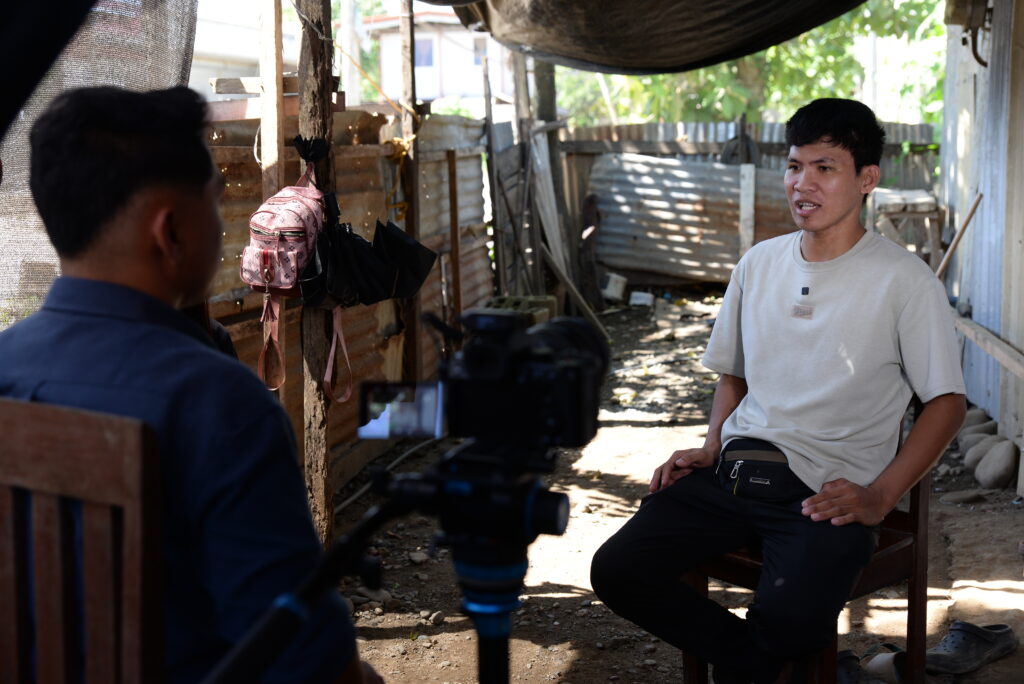
Once you know which type of testimonial video you need, the next decision is how it should look and feel. There are a few formats to choose from and the right one depends on your message, your audience, and your budget.
1. Single speaker format
One person on camera is talking directly about their experience. This is the most common style and the most flexible. It works well for both customer and employee testimonials.
2. Multi-voice format
Several speakers are edited together and each are sharing a short piece of their story. This format works when you want to show range, whether that is multiple customers solving different problems or employees from different teams describing the same workplace. It also shows scale because one happy customer is good, but five is harder to ignore.
3. Before and after format
This is very effective for customer testimonials in industries where results are visible. The viewer sees a clear contrast between the problem and the outcome, which makes the value of your product or service almost impossible to ignore.
4. Case study format
This is a longer story that walks through the customer’s full journey in detail. This works for business-to-business clients and bigger-ticket services where buyers want to understand the full process before they commit.
5. On-location format
This is usually filmed at the customer’s workplace, the employee’s office, or another setting that grounds the story in a real environment. This adds honesty to the video and gives the viewer visual context that a plain interview cannot.
Most professional teams will mix and match these formats to serve the story at its best. A single video might combine an on-location interview with a few extra shots of the workplace and a short multi-voice section at the end.
What Makes a Great Testimonial Video
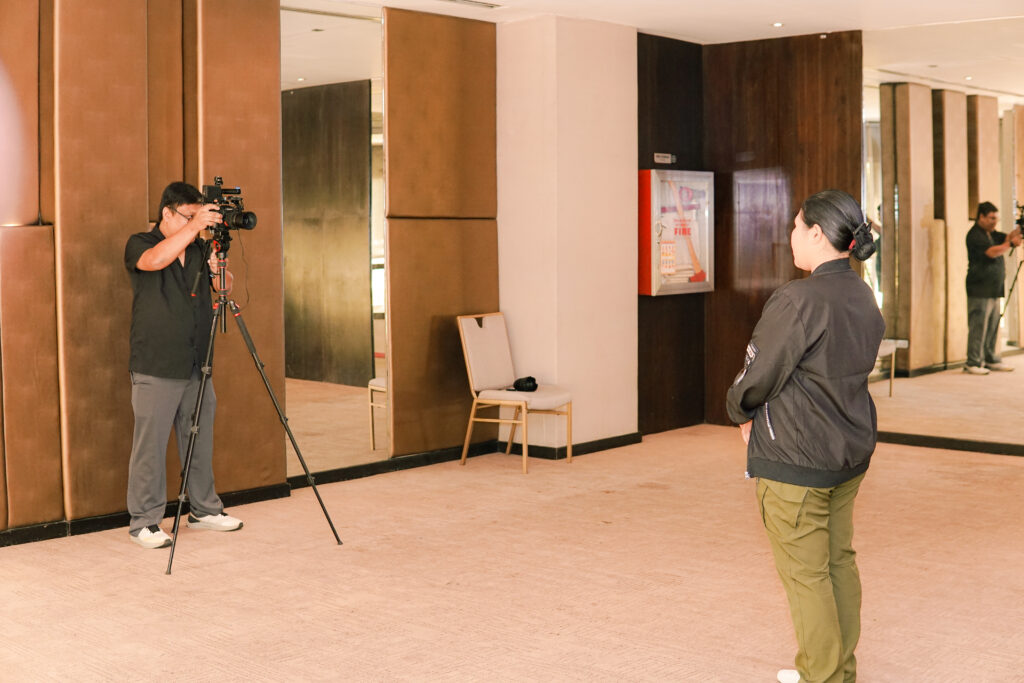
There is a wide gap between a testimonial video that simply exists and one that actually convinces people to take action. The difference usually comes down to a few key things.
1. It provides real details, not general praise
A speaker who says, “This company is great” is forgettable. A speaker who says, “We cut our project turnaround time from three weeks to four days” is memorable. The best testimonials are built on concrete details, real numbers, and clear before-and-after comparisons.
2. It shows authentic delivery, not scripted lines
Over-rehearsed delivery makes a testimonial inauthentic. Viewers can tell when someone is reading from a script and they tune out the moment they sense it. The goal of a testimonial video is a conversation, not a performance. A good production team knows how to interview people in a way that helps them relax and speak naturally.
3. A clear story flow
Even a short testimonial video needs structure. The strongest format opens with the problem, moves through the decision and the experience, and ends on the outcome. Without that flow, the video feels like a list of compliments instead of a story.
4. The right length.
Most effective testimonial videos run between 30 seconds and 2 minutes. Longer videos can work for case studies or careers pages, but for social media and product pages, shorter is almost always better. Plan to film enough materials, so you can also cut down to 15 or 30-second versions for different platforms.
5. Asking good questions behind the camera
What you see on camera is shaped by what the interviewer or production director asks off camera. Strong questions invite stories, not yes or no answers. For customers, ask about the specific problem they faced, what they tried before, and what surprised them about working with you. For employees, ask about a recent project they were proud of, a moment when they felt supported by the team, or what they would tell a friend who is thinking of applying to the company.
6. Production quality that supports the story
Good lighting, clean audio, and a steady image are non-negotiable. In particular, poor audio will sink an otherwise great testimonial faster than any other technical issue. Viewers will forgive imperfect framing, but they will not stay through muddy or echoing sound.
Production tips worth knowing before you film your testimonial video
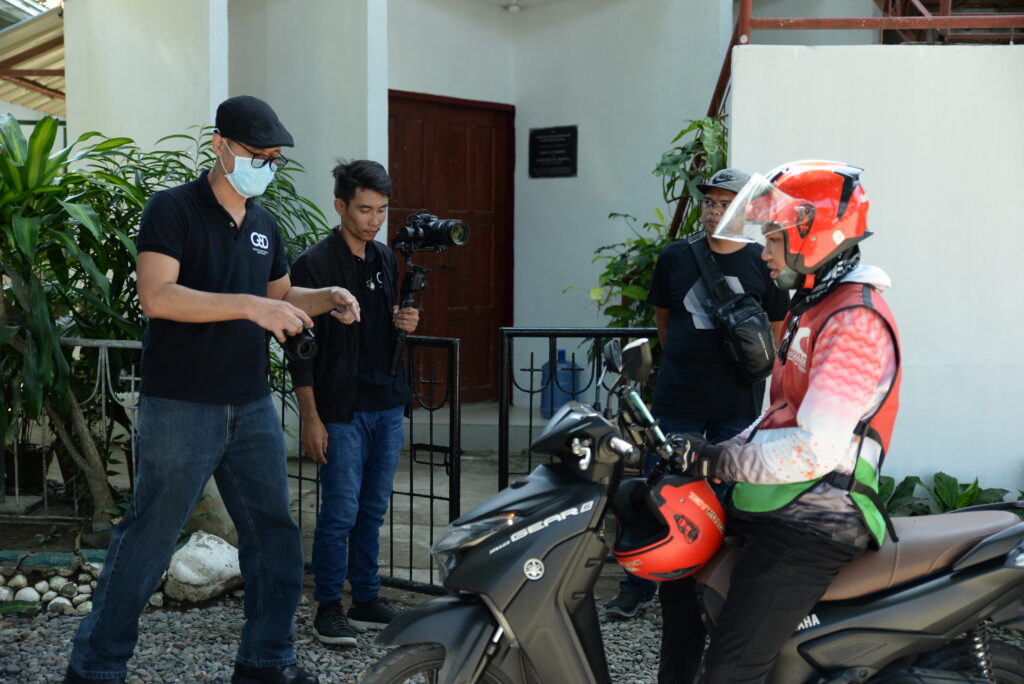
Whether you plan to hire a team or shoot it on your own, there are a few practical things worth knowing before the camera rolls.
1. Choose the location with care
A setting that matches the story adds context to the video. For customer testimonials, the customer’s workplace or the place where they use your product often works best. For employee testimonials, filming in the actual office or work area gives viewers a real sense of the atmosphere. Avoid plain backgrounds and meeting rooms with no character.
2. Prepare your interviewee, but do not over-coach them
Give them a list of topics or questions ahead of time, so they can think about their experiences. They can write out their answers, but memorizing the answer will make the video less authentic. The goal is for them to arrive informed and relaxed, not rehearsed.
3. Plan for b-roll
A b-roll is the extra footage shown over the speaker’s voice. It might be shots of the customer using your product, the employee at their desk, the team in a meeting, or the workspace itself. A good b-roll keeps the video visually interesting and gives the video editor more flexibility when putting the final cut together.
4. Block out enough time
A good testimonial video takes longer than most people expect. Plan for at least an hour per speaker, including setup and a relaxed conversation, so you have enough material to work with in the edit.
5. Invest in audio
A clip-on lavalier microphone or a dedicated boom microphone is essential. The built-in microphone on a camera or phone will not deliver the quality you need.
6. Edit for rhythm
Once filming is done, the editing is where the testimonial comes together. Cut out filler words, long pauses, and anything that pulls focus from the main story. Aim for a pace that holds attention without feeling rushed.
Where to Use Your Testimonial Videos
A testimonial video is too valuable to publish in just one place and forget. The same footage can be reused across many platforms where each one is designed for a different stage of your customer or candidate journey.
1. Company or business website
Place testimonial videos on your homepage, services or product pages, and/or case study pages.
For employee testimonials, the careers page is a good place to publish this. Also, you can add the video to your company values or about page.
2. Social media
Cut longer testimonial videos into 15-second and 30-second clips for Instagram Reels, TikTok, LinkedIn, and Facebook. Each platform has its own ideal length and screen shape, so plan for vertical and square cuts during production.
3. Email campaigns
Adding a testimonial video to a sales email or a recruiting message gives your subject line something real to back it up. Even a thumbnail with a play button can lift click-through rates (The percentage of people who click a link or ad out of the total number of people who saw it).
4. Sales and recruiting presentations
Customer testimonials make great impact inside a sales pitch when shown at the moment a prospect raises a concern. On the other hand, employee testimonials work well in candidate recruitment or job postings to give applicants a clearer picture of the team they would join.
5. Paid advertising
Testimonial videos often outperform standard ads on platforms like Facebook, Instagram, and YouTube. Real voices and faces consistently produce higher engagement than animated explainers, text-based ads, or AI-generated assets.
One well-produced testimonial video can easily generate ten or more shorter pieces of content when planned correctly. Build that reuse plan into your production brief from the start, so your team captures enough material in the right formats to support it.
Getting Your Testimonial Video Made
If you have read this far, you probably have a clearer picture now of what a great testimonial video looks like and what it takes to produce one. The next question is whether to attempt it on your own or bring in a professional team.
A do-it-yourself approach can work for small businesses just starting out or for short test runs. There are trade-offs for that though. Even with the best intentions, in-house attempts often run into the same problems such as weak audio, awkward interview pacing, inconsistent lighting, and a final edit that’s not of high quality. The footage exists, but it does not convert.
On the other hand, hiring a professional videography team changes the outcome. A good team handles the technical work so you can focus on telling the story, conducts interviews that draw out honest answers, and delivers a final video ready to publish across every channel you need it on.

At GSD Films and Stills, this is the kind of work we’ve done for years. We produce customer and employee testimonial videos for corporate organizations and businesses in Cagayan de Oro City, Misamis Oriental, its neighboring areas, and across the Philippines, with on-location filming, clean audio, b-roll that supports the story, and edits built for the platforms where your audience actually spends time.
Whether you need one main testimonial for your social media pages or a series of short clips for a employee recruiting campaign, we can plan the shoot, run the interviews, and deliver an output you will be proud to publish.
We are a DTI and BIR-registered business serving businesses and corporate organizations across the region.
If you are ready to bring a testimonial video project to life, click the button below to get in touch. Let us talk about how we can help you.














Leave a Reply